The bicycle moves to the mainstream
Cycling is gaining political momentum, but turning ambition into action remains an urgent challenge. Bringing together representatives from the Belgian Federal Government, the Flemish Region, the European Cycling Industries (ECI) and the World Health Organization, the session explored how strategies, incentives and long-term policies can unlock cycling’s full potential. Belgium was highlighted as an example of progress, with a target of a 22% cycling modal share by 2040. In Flanders, where one in four train journeys already begins by bike, cycling is backed by €300 million in annual investment and embedded within wider mobility policies.
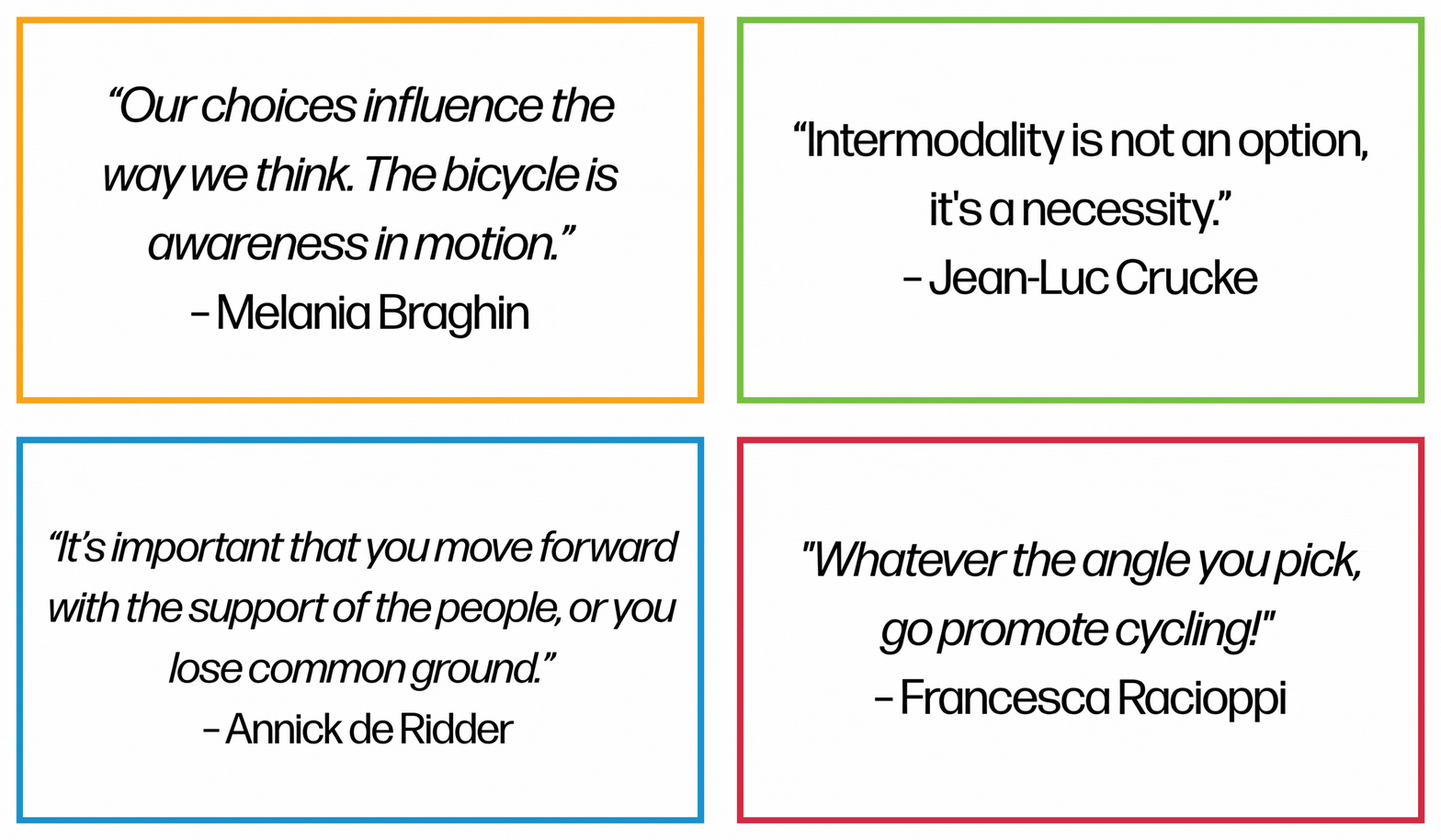
Speakers stressed that cycling is far more than a transport policy. It can address climate change, improve public health, create jobs and tackle transport poverty. Francesca Racioppi of the WHO European Centre for Environment and Health highlighted the importance of recognising cycling as a mode of transport that delivers benefits across society. “It does not matter why we wish to promote safe cycling, as long as we promote it,” she said. European Cycling Industries’ Paul Walsh argued that investing in cycling means investing in industry and innovation, while European Commissioner Apostolos Tzitzikostas, in a video message, highlighted its potential to support tourism, jobs and cultural connections across Europe. The session’s message was clear: cycling is no longer a niche or ideological issue. As Flemish Minister Annick De Ridder put it, “The bicycle is mainstream.”
Day 2: Session highlights
Starting off with a wave of inclusion...
...on the power of cycling as an empowerment tool: The data was compelling, but the stories brought the impact to life. As Maria Amran said, “Small interventions can make a big, big change in people’s lives.” While the projects began by removing barriers to cycling, they evolved into initiatives with far-reaching social benefits: autonomy, social cohesion, confidence and inclusion. Through community rides and bike services for people from disadvantaged backgrounds, cycling builds community. These projects are not just breaking down barriers to cycling; they are helping people access employment, education, culture and social life. From barriers to belonging!
...on cycling during pregnancy: challenging common myths, this session highlighted how transport systems often overlook the needs of many everyday users. Through personal stories and global examples, speakers challenged assumptions about safety, arguing that the real issue is often the design of the transport system rather than cycling itself. Panellists described cycling during pregnancy as a normal part of life that can offer freedom, independence and continuity through a major life transition. They called for more women in decision-making, more inclusive planning, and practical measures such as e-bike support, better healthcare guidance and family-friendly cycling options. The message was simple: everyone should have the right to choose cycling as a safe and accessible way to get around.
...on co-designing spaces: serious games are the perfect excuse to bring different interests literally to the table. Goudappel and its Italian partner, Città Sotto Scacco (CSS), developed a full-scale simulation to support the fictional redevelopment of Palacongressi. Stepping into other stakeholders' shoes made a complex challenge easier to understand, turning the project into a shared endeavour and encouraging creativity and transparency in urban planning. So, did we manage to reconcile the interests of residents, transport operators, shop owners and local politicians – all in under an hour? Of course not, but transparency and genuine collaboration brought us one step closer.
Towards a language shift!
The session, Watch your language - A live discourse analysis battle about the words you use every day!, literally put the language of mobility itself on trial. Terms, ranging from “accident” and “parking” to “alternative transport” and “vulnerable road users”, were assigned a prosecutor and a defence attorney, who argued whether the words help us understand mobility or reinforce car-centred thinking. The jury – the audience – then delivered its verdict. There was even a surprise acquittal: the much-maligned “fatbike” was found not guilty. The final ruling? Use words carefully. The language we choose shapes how we think about mobility – and ultimately the kinds of streets and cities we create.
And the ripple effect of cycling investments
When a cruise ship drops hordes of tourists at once, it's impossible to miss. Cyclists, however, are like rain; they arrive steadily, nourishing the local economy over time, yet remain largely invisible. This brilliant framing by
Pinar Pinzuti of Bikenomist argues we need to brew up a "storm" to make the benefits of cycling more visible. The Bikenomics panel focused on the economic case for cycling and on dismantling the myth that cycling infrastructure is a subsidy.
Chris Bruntlett,
Sidsel Birk Hjuler and
Diana Skyum explored cycling’s impact on public spending, jobs and infrastructure maintenance, reinforcing one key message: cycling shouldn’t be seen as a subsidy, instead it should be framed as the high-return investment it is, no matter which angle you take.
Plus, the bike parade!
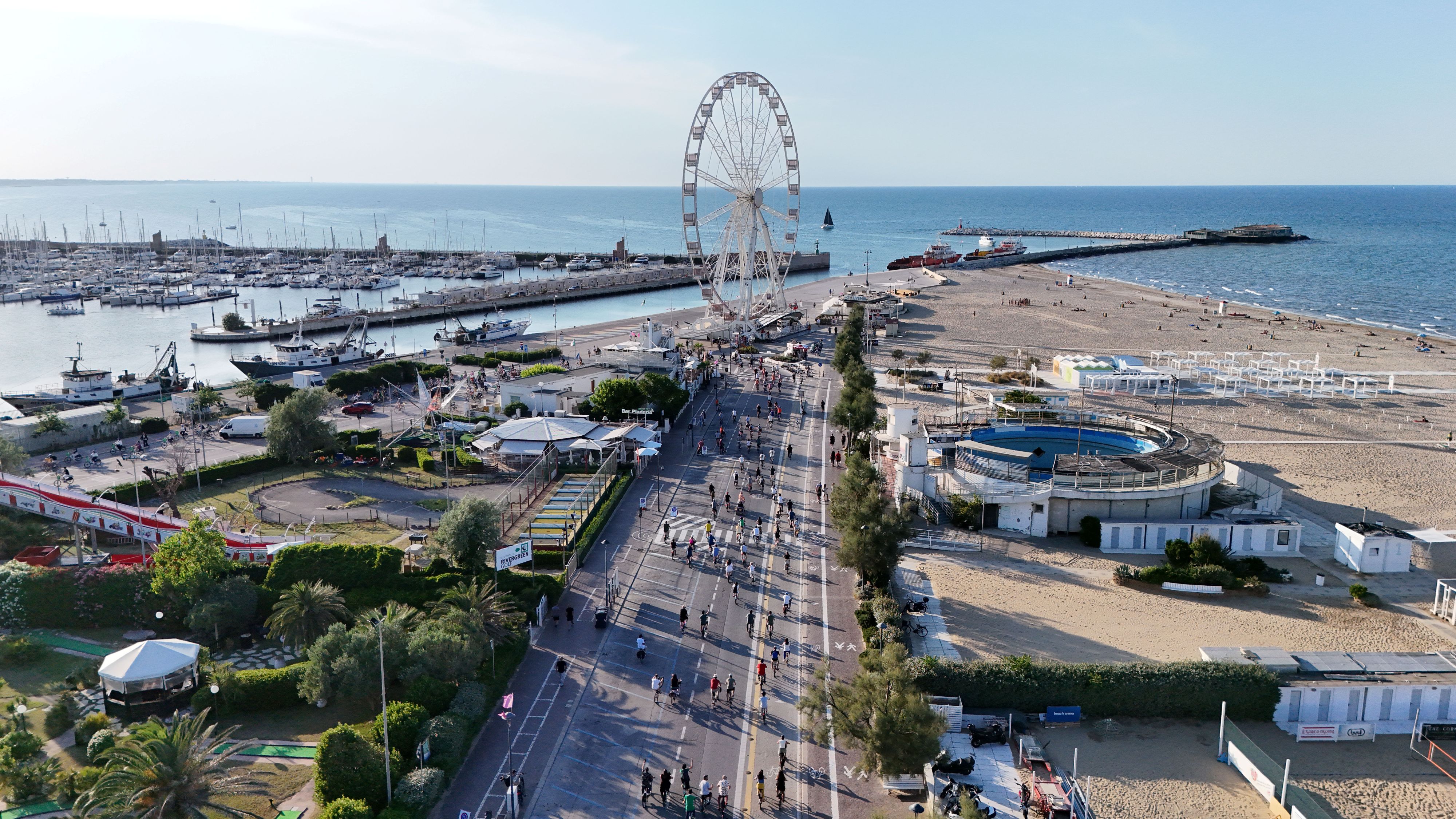
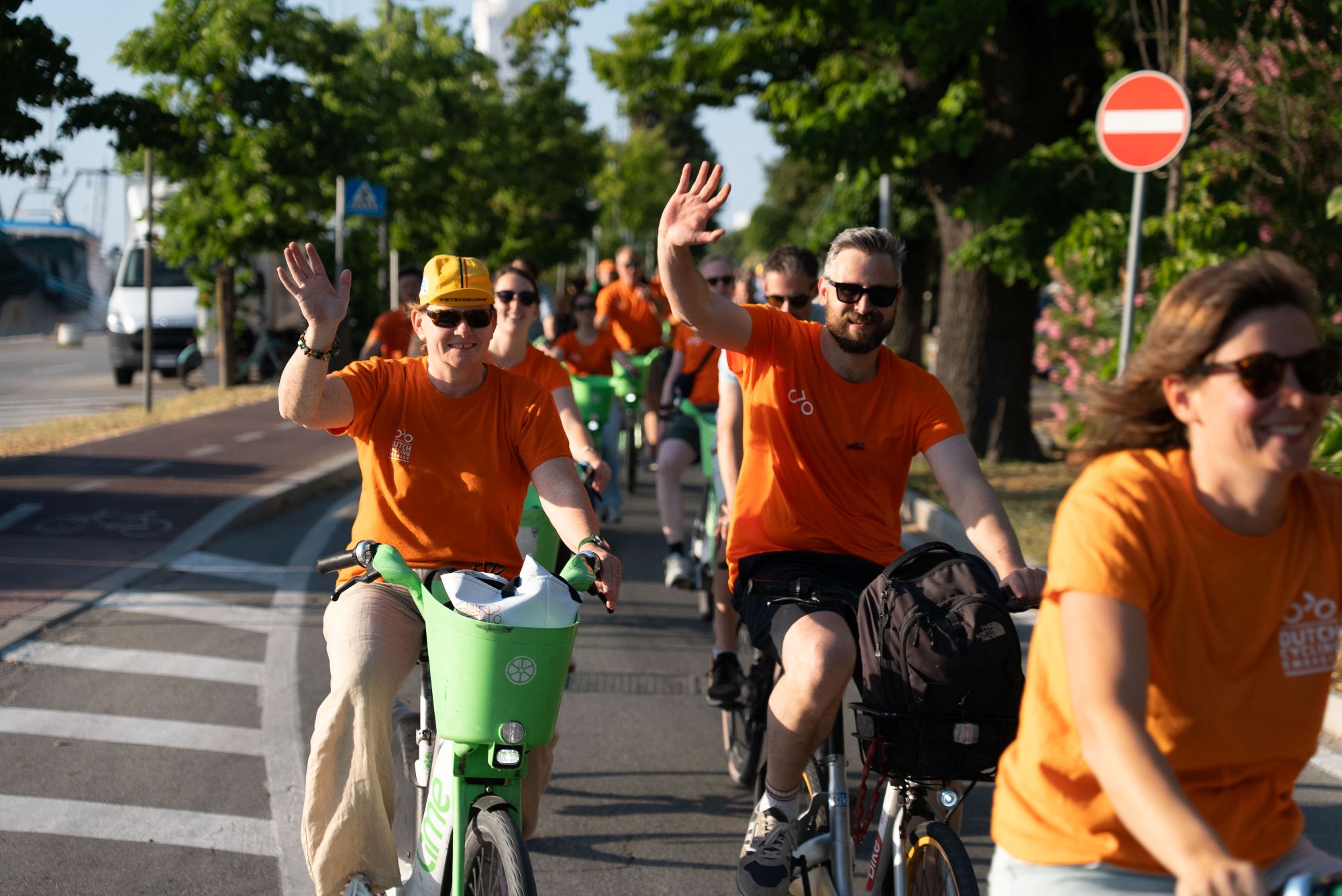
Photos can say more than a thousand words. This is how we took over the streets of Rimini: from its beachfront to calm neighbourhoods and the lively city centre, all the way back to Fellini Park. Just wow!

.jpg)