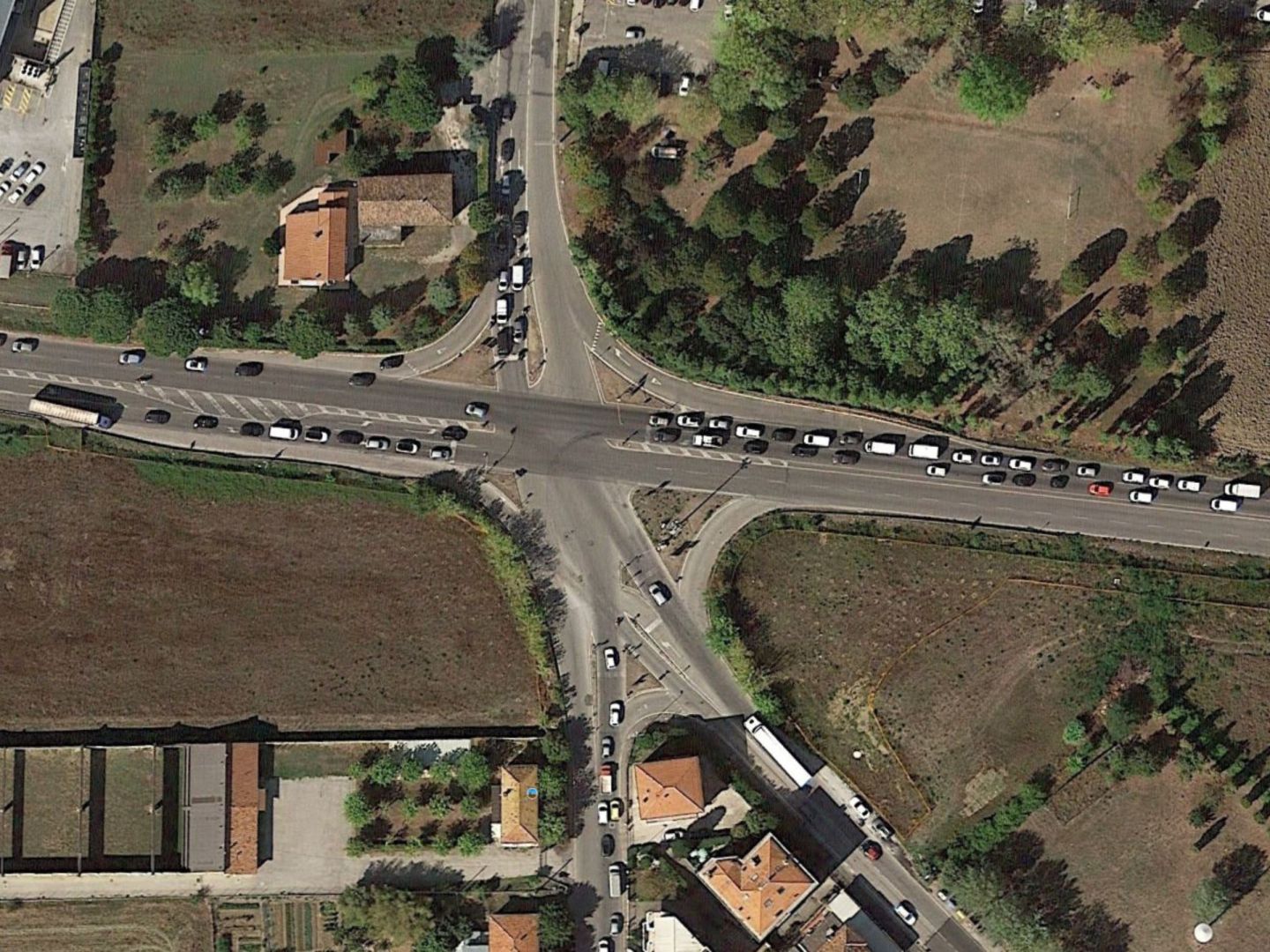
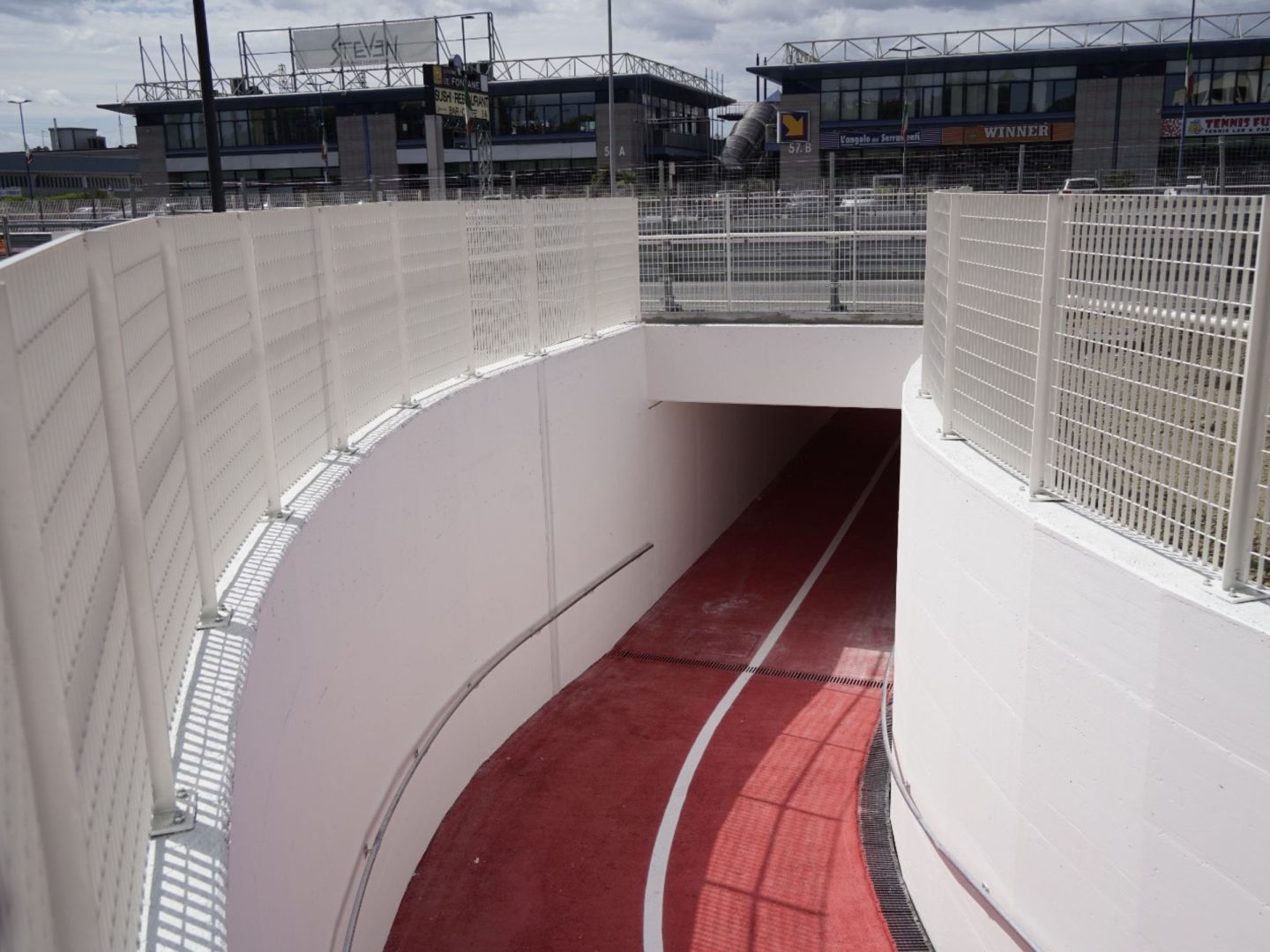
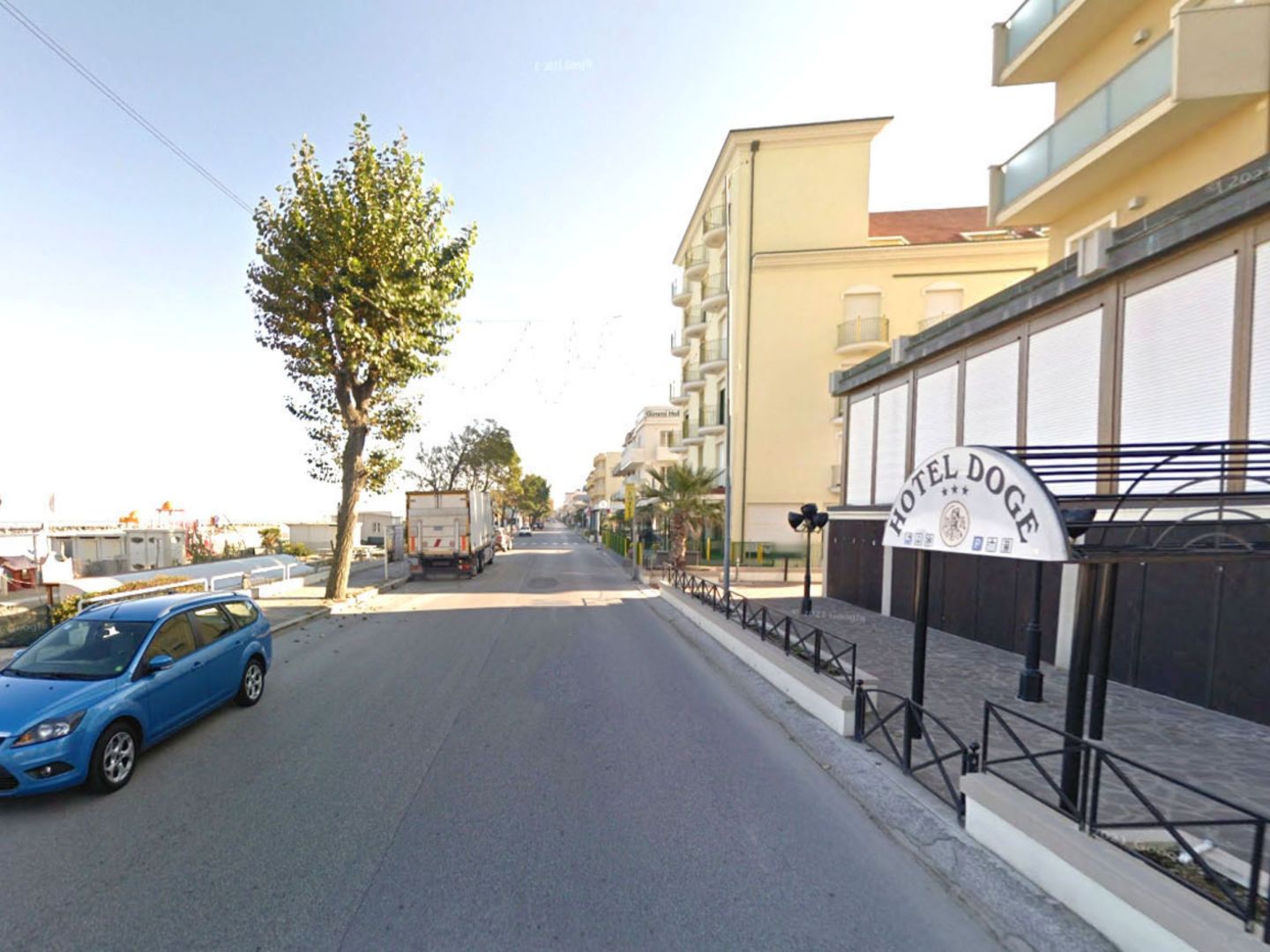
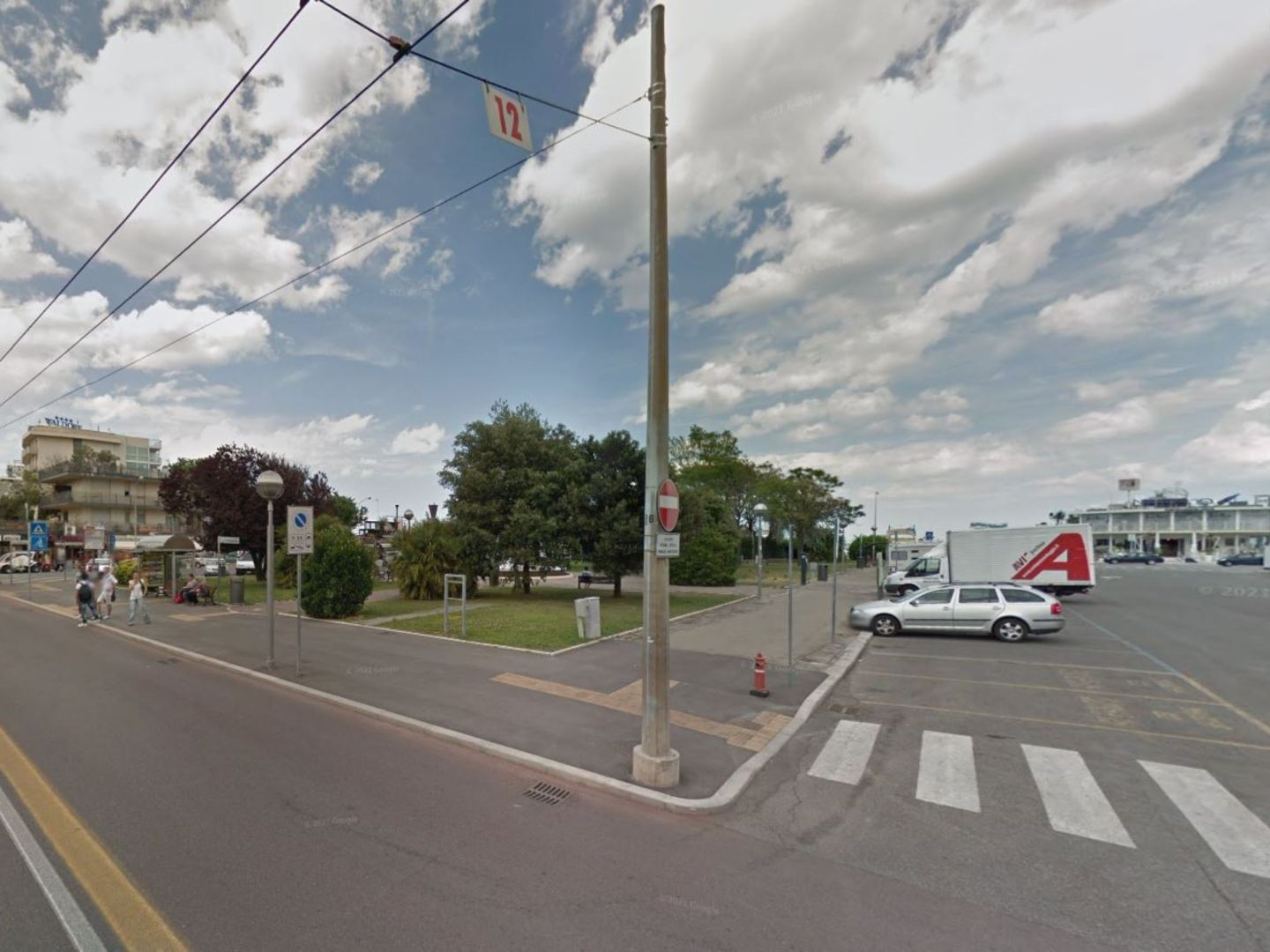
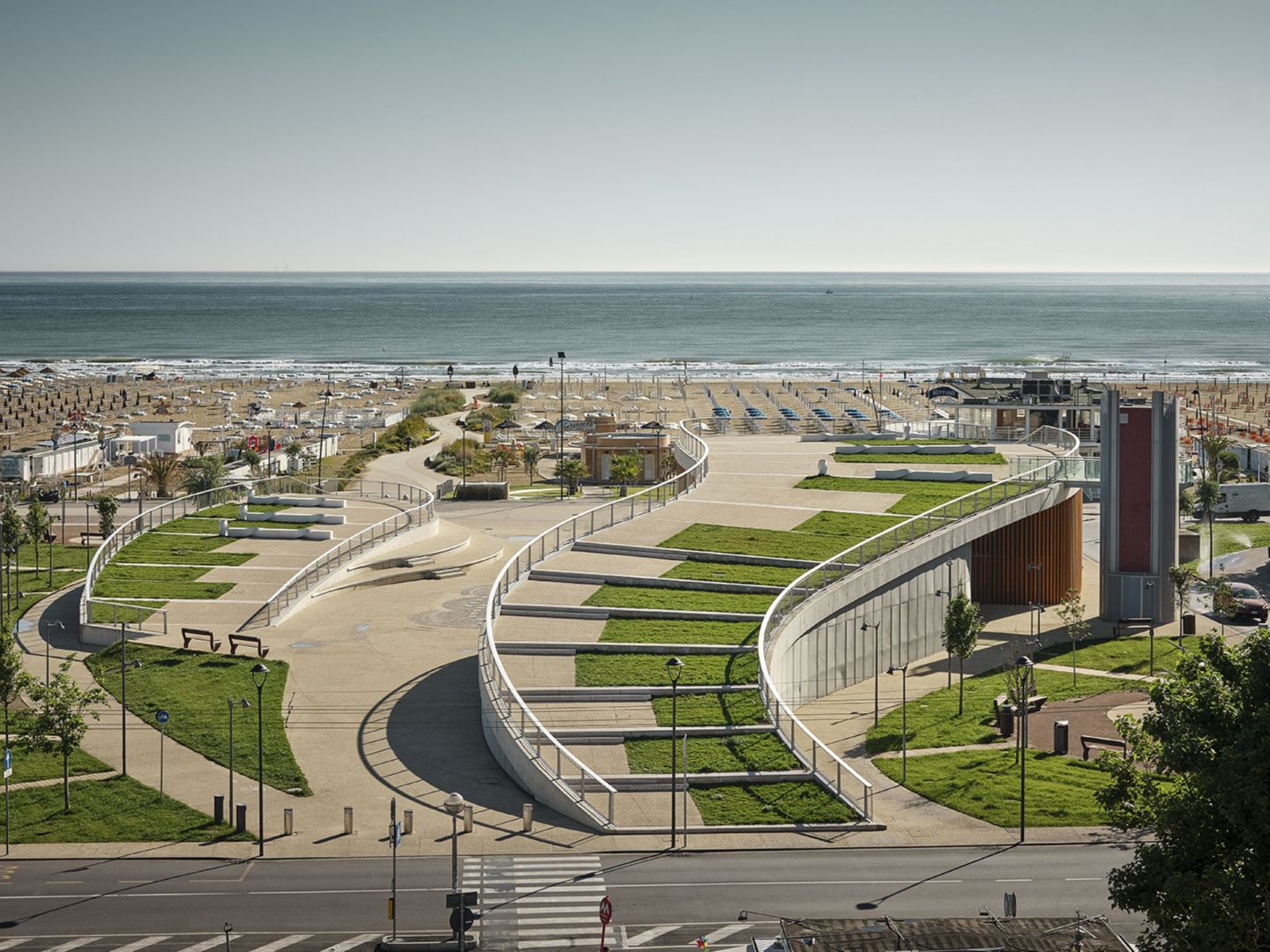
10. Underpass on Via Verenin Grazia - In December 2025, a new underpass on Via Verenin Grazia in Rimini was completed. The SS16 state road that historically prevented easy movement between the coastal areas and the hinterland can now be safely crossed by cyclists and pedestrians. The link will be further enhanced by the enlargement of the connecting cycle, to the benefit of the wider Bicipolitana network – Rimini’s colour-coded network of cycle paths.
Credits: Google Street (left), Comune di Rimini (right)
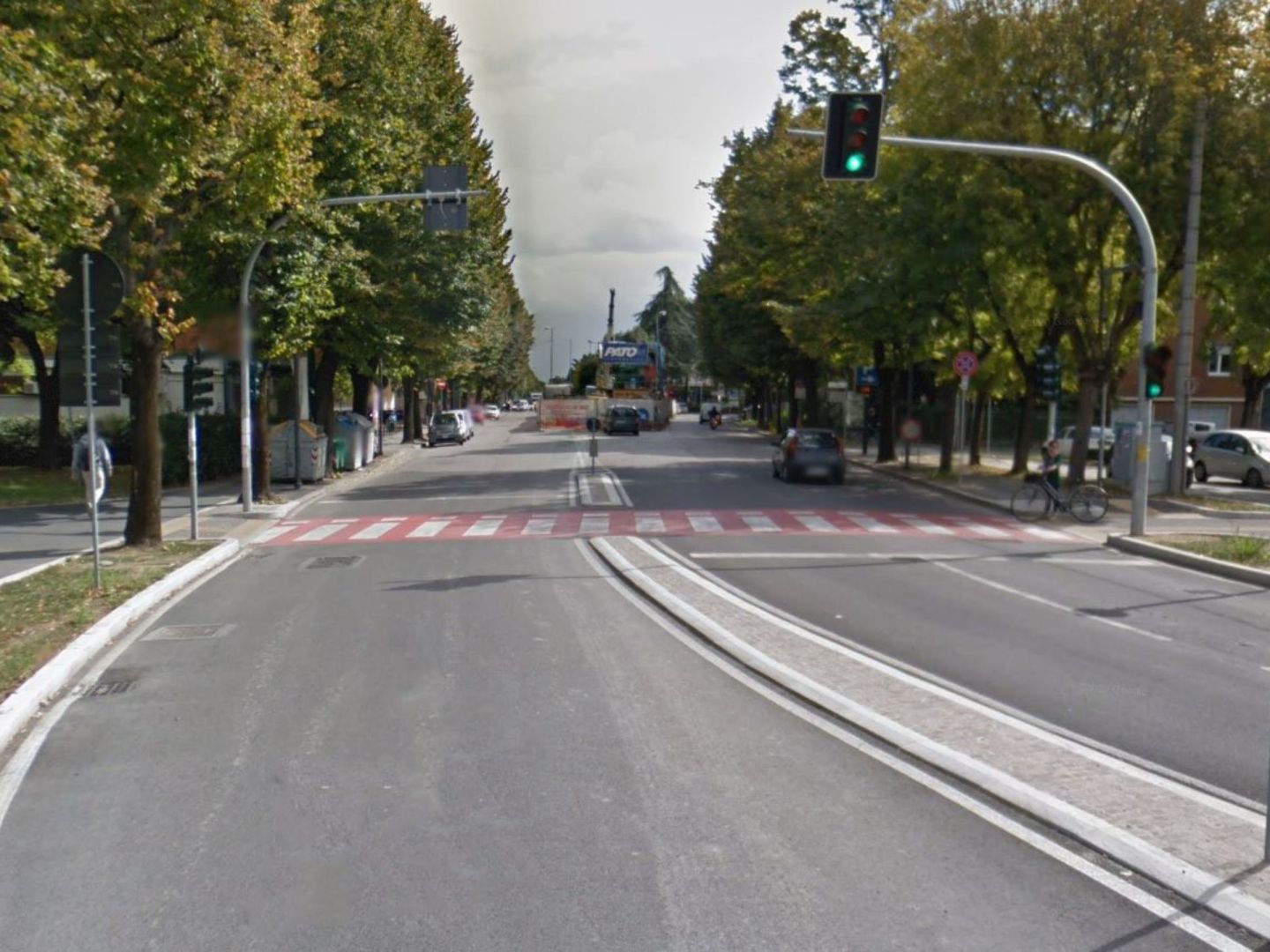
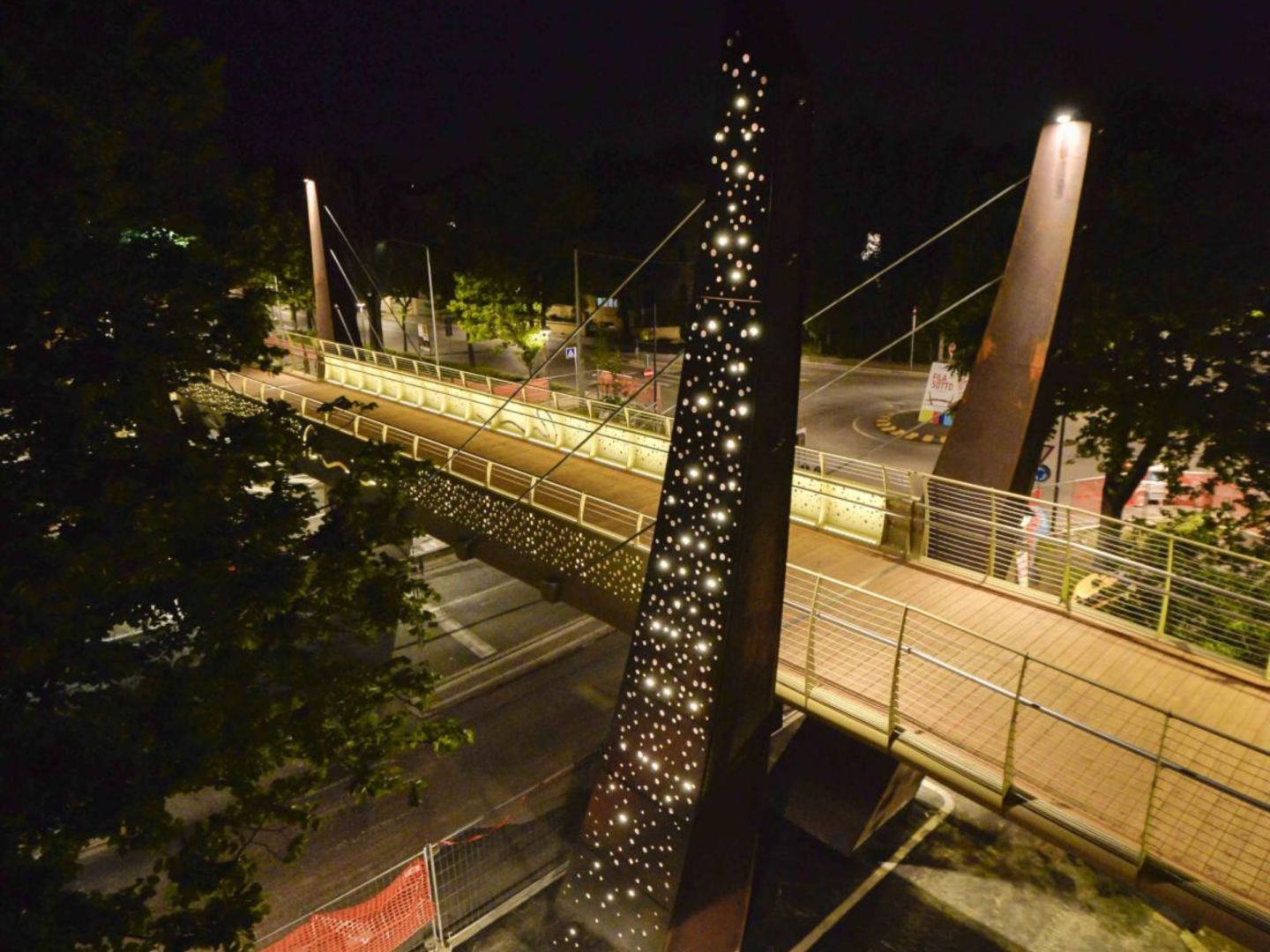
9. Bridge over Via Roma - Rimini's central artery, parallel to the coastline, was constantly plagued by traffic due to conflict between vehicles and pedestrians. To improve road safety and smooth out the traffic flow, a fully pedestrian and cycle bridge was built over Via Roma. The overpass is part of a citywide project that aims to ease movement through an expanded cycling network, bridging the gaps and connecting even the furthest neighborhoods to the sea.
Credits: Google Street (left), Comune di Rimini (right)
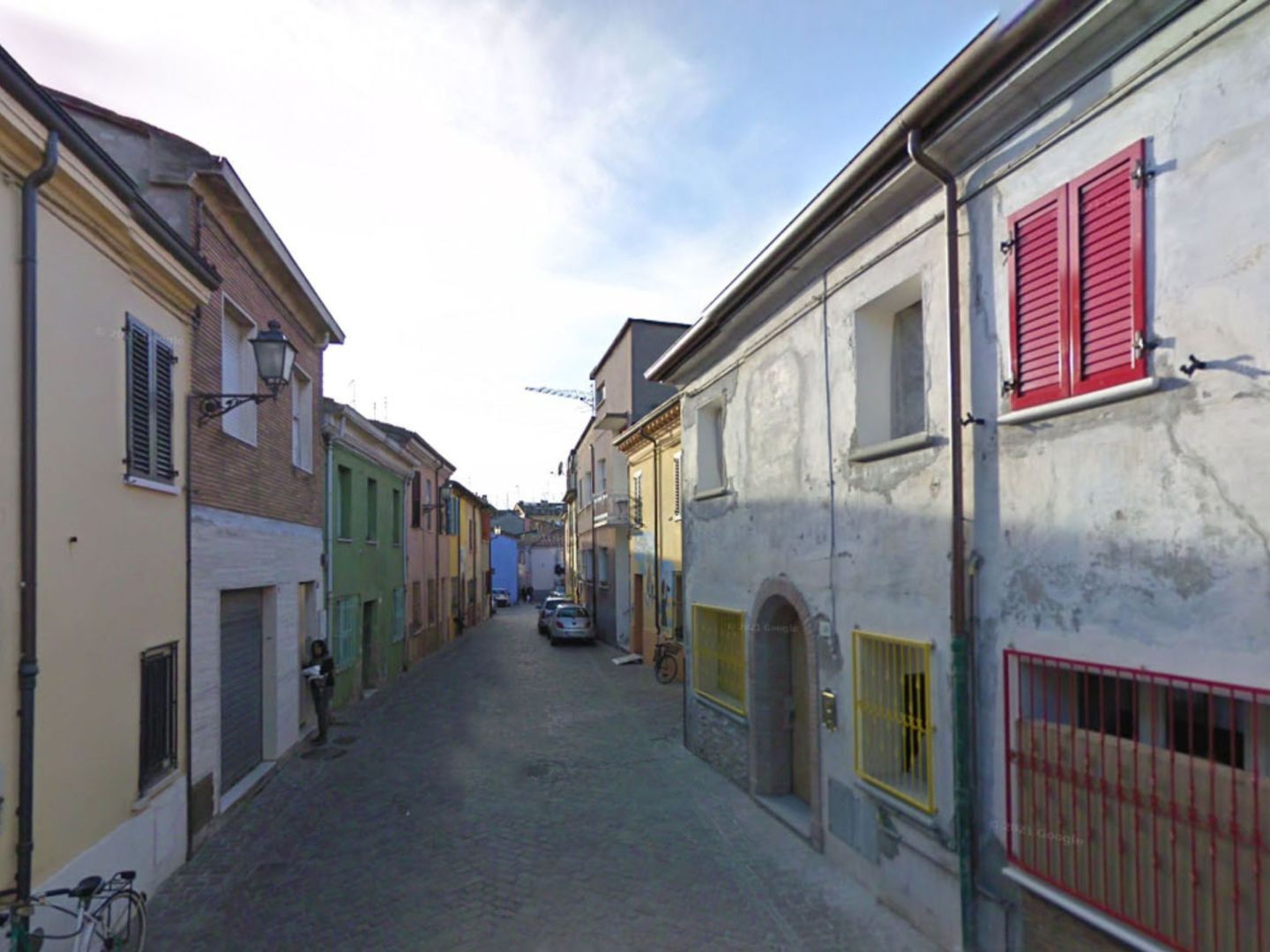
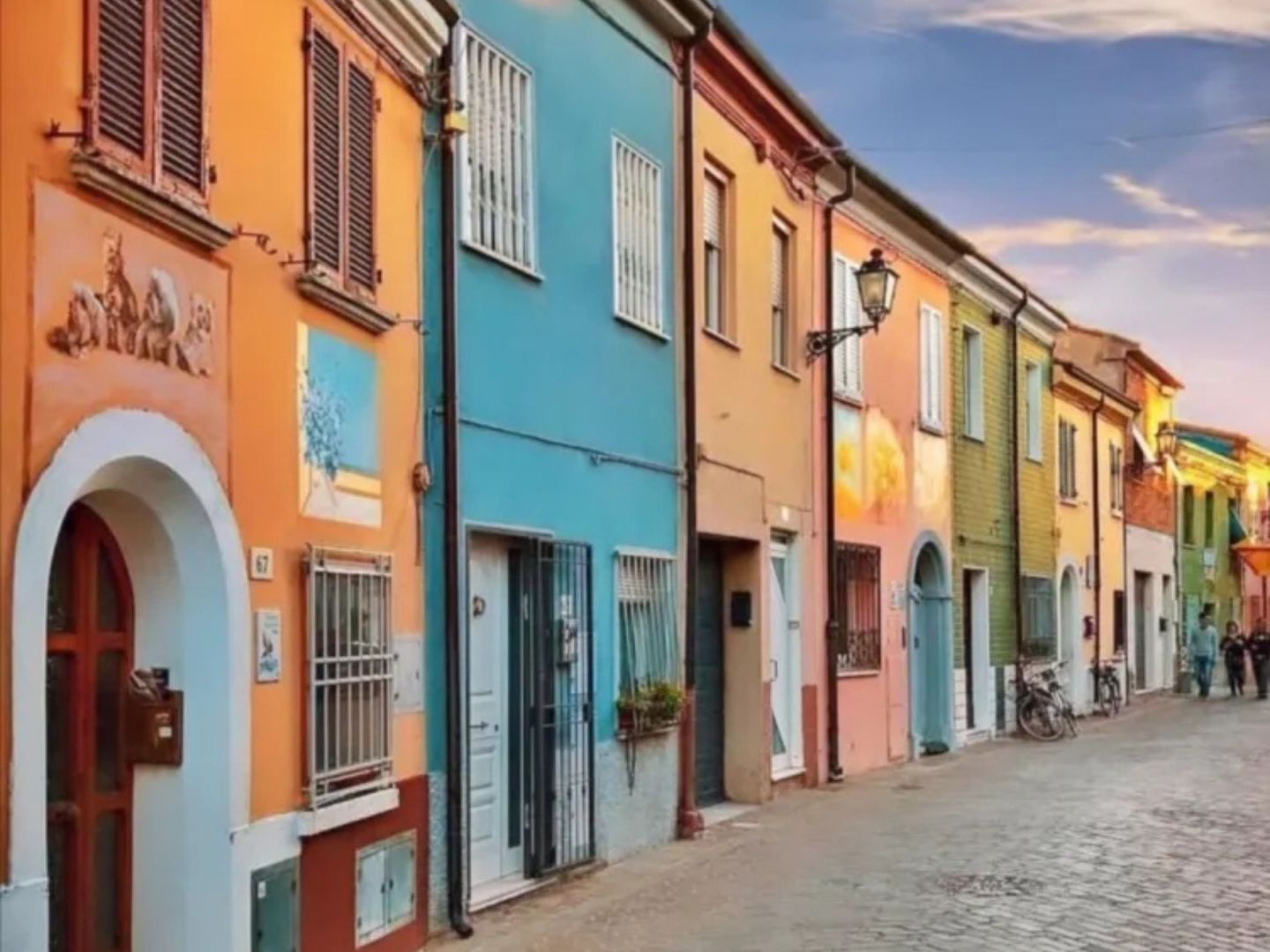
8. Borgo San Giuliano - Once the hotspot for fishing and sea trades, the Borgo is known for romantic sights of pastel-colouredhouses and street art. However, this reputation only came after a general decline in the 1970s which nearly led to its demolishment. Betting on improving living standards and sustainable tourism, the neighborhood defied the odds: citizens started painting the housefronts themselves to revive the local identity and the area became a pedestrian and limited traffic zone. Today, the municipality plans to dedicate a section of the expanding Parco del Mare to it: the creation of this new green and blue infrastructure is planned between 2026 and 2027. The area will include climate adaptation measures, particularly to mitigate sea level rise, and new cycle and pedestrian paths.
Credits: Google Street (left), Lupiingiro (right)
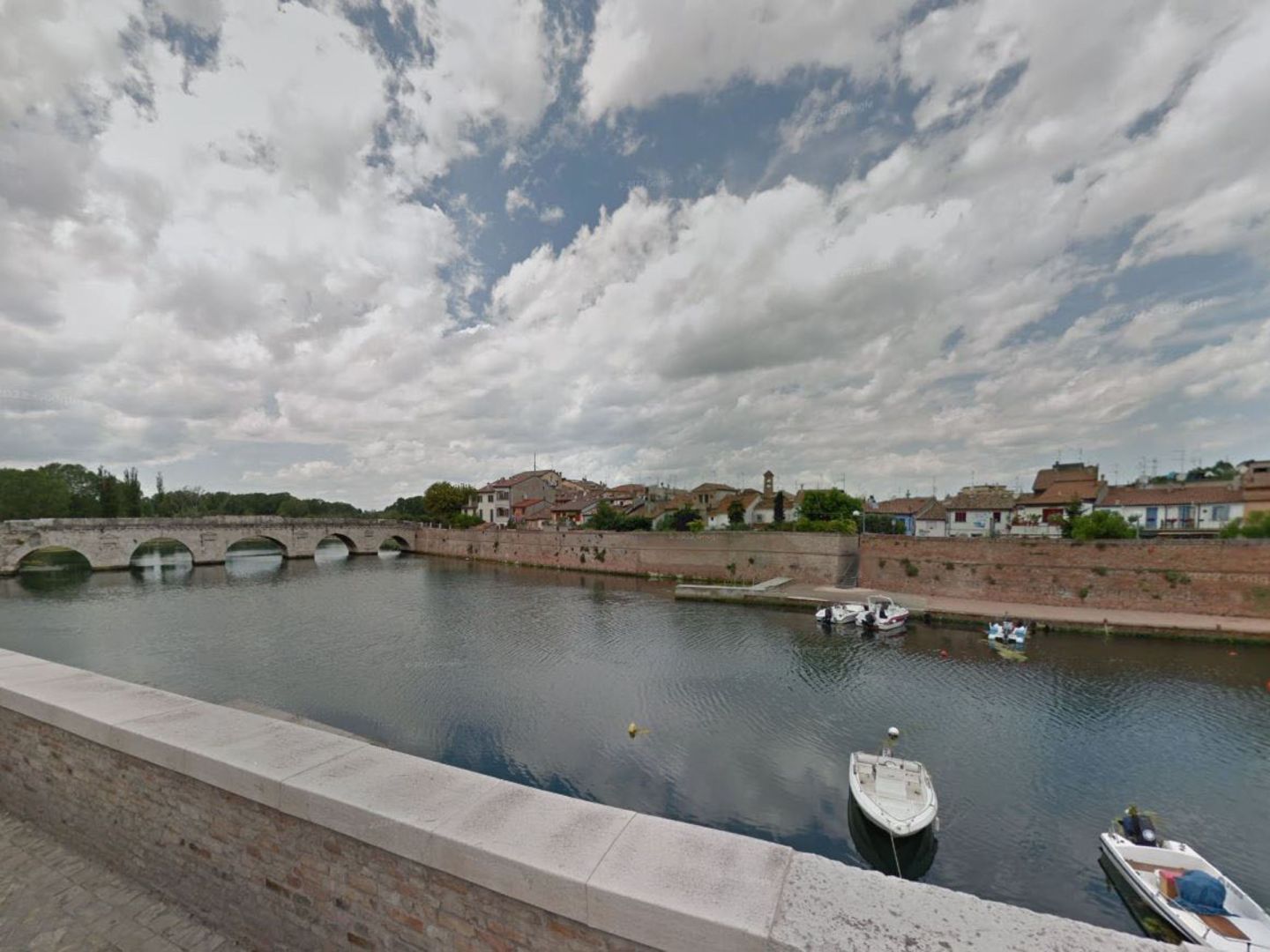
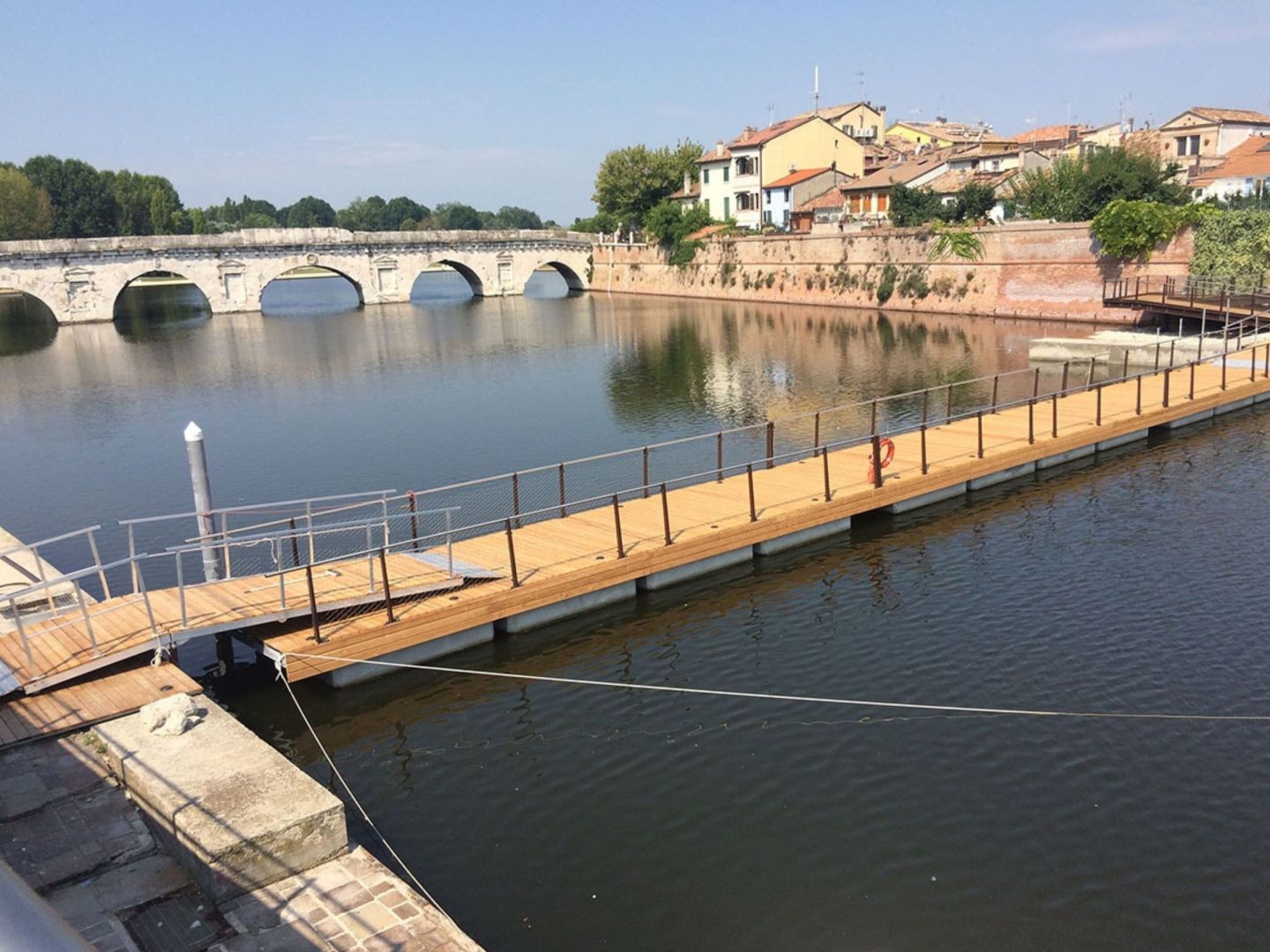
7. Floating pier - Floating nearby Tiberius Bridge is a wheelchair-accessible wooden pier, completed in 2018. This lower walkway runs for 36 m between the roman bridge and the harbored boats. It allows bikers, walkers and people with disabilities to safely cross the canal port from Borgo San Giuliano to the city centre while enjoying the views since before the Tiberius bridge’s makeover (no spoilers here... keep reading to find out more about it!).
Credits: Google Street (left), Rimini 2.0 (right)
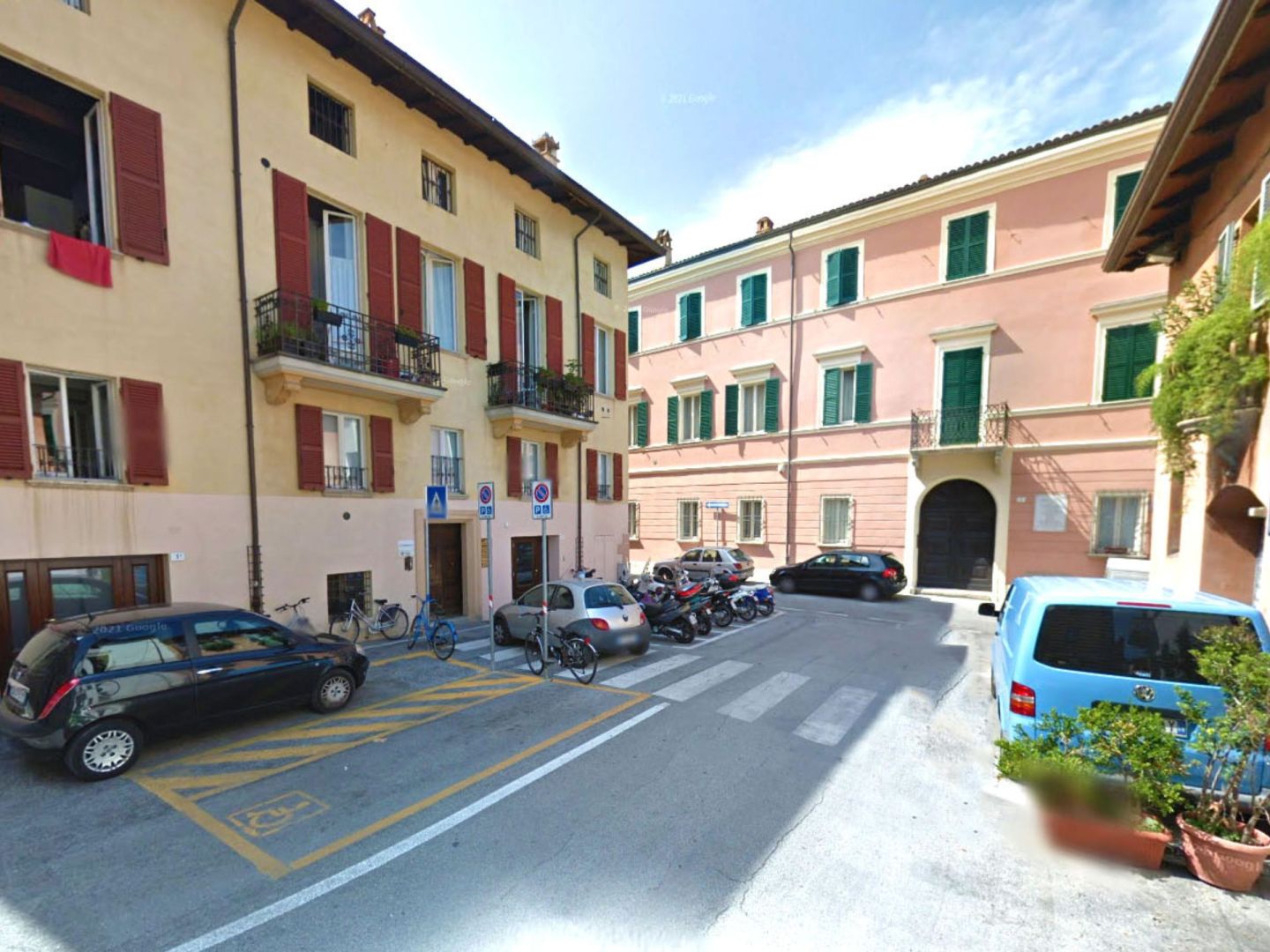
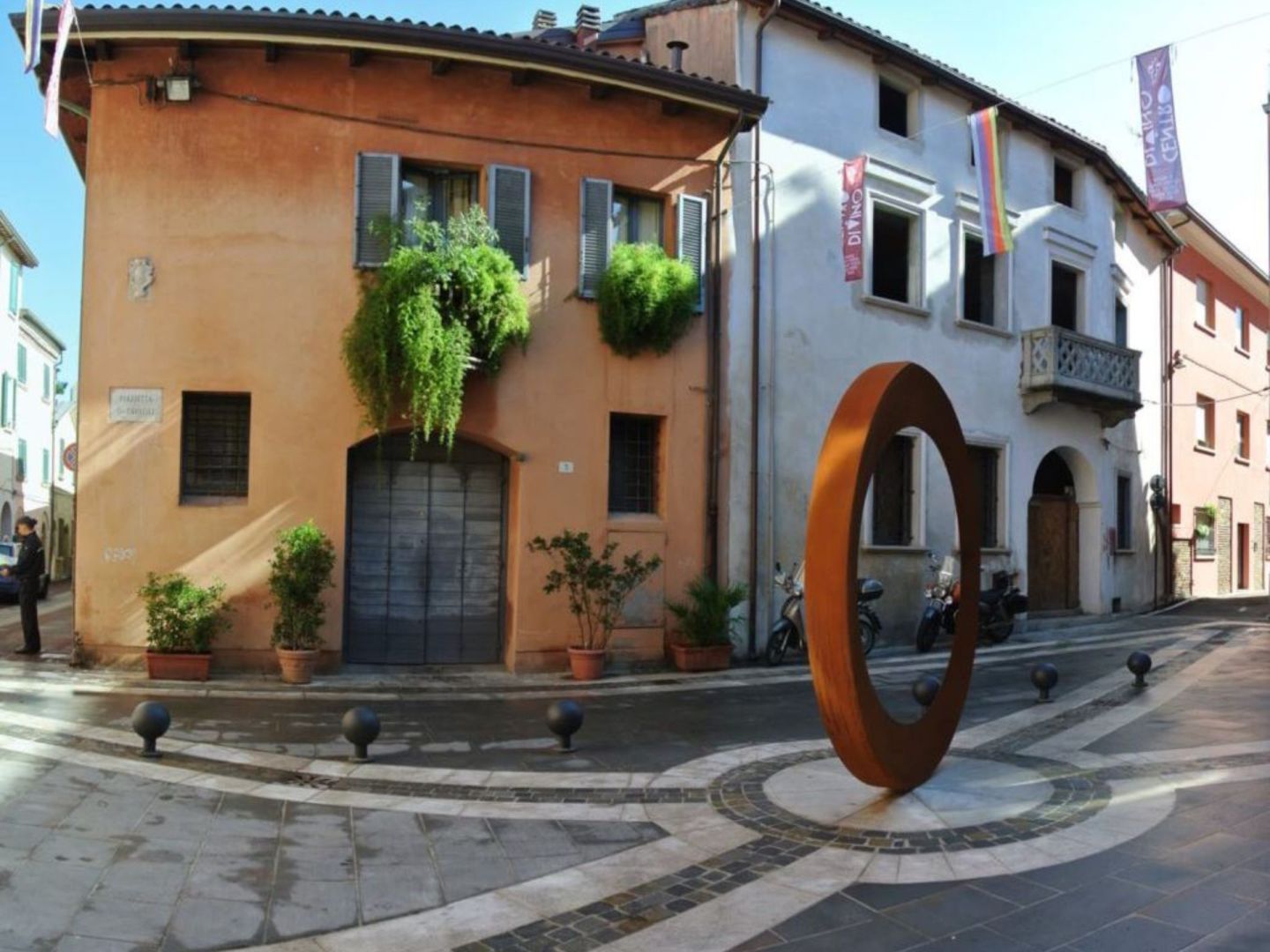
6. Ring of New Squares - As city life thrives beyond the main attractions, Rimini invested in the systematic renovation of 24 streets and squares across the historic center. Giving this Ring of New Squares a coherent visual identity with red asphalt, new street furniture, and energy efficiency measures, the project aimed at increasing the holistic use of the city centre without leaving behind small squares and less visible corners. The high quality of the spaces makes them more welcoming - and ready for the capillary development of active mobility.
Credits: Google Street (left), Mauro Staccoli (right)
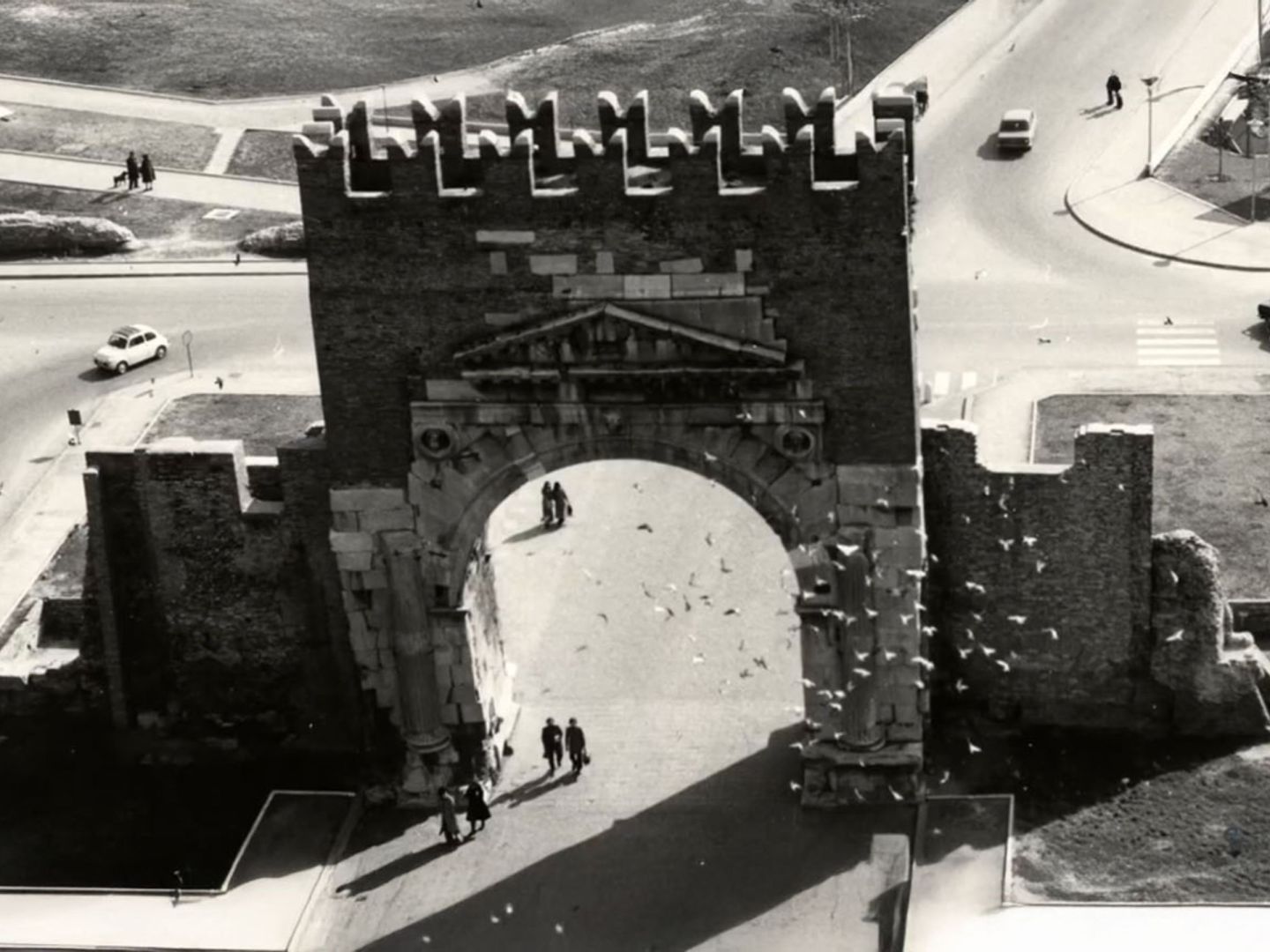
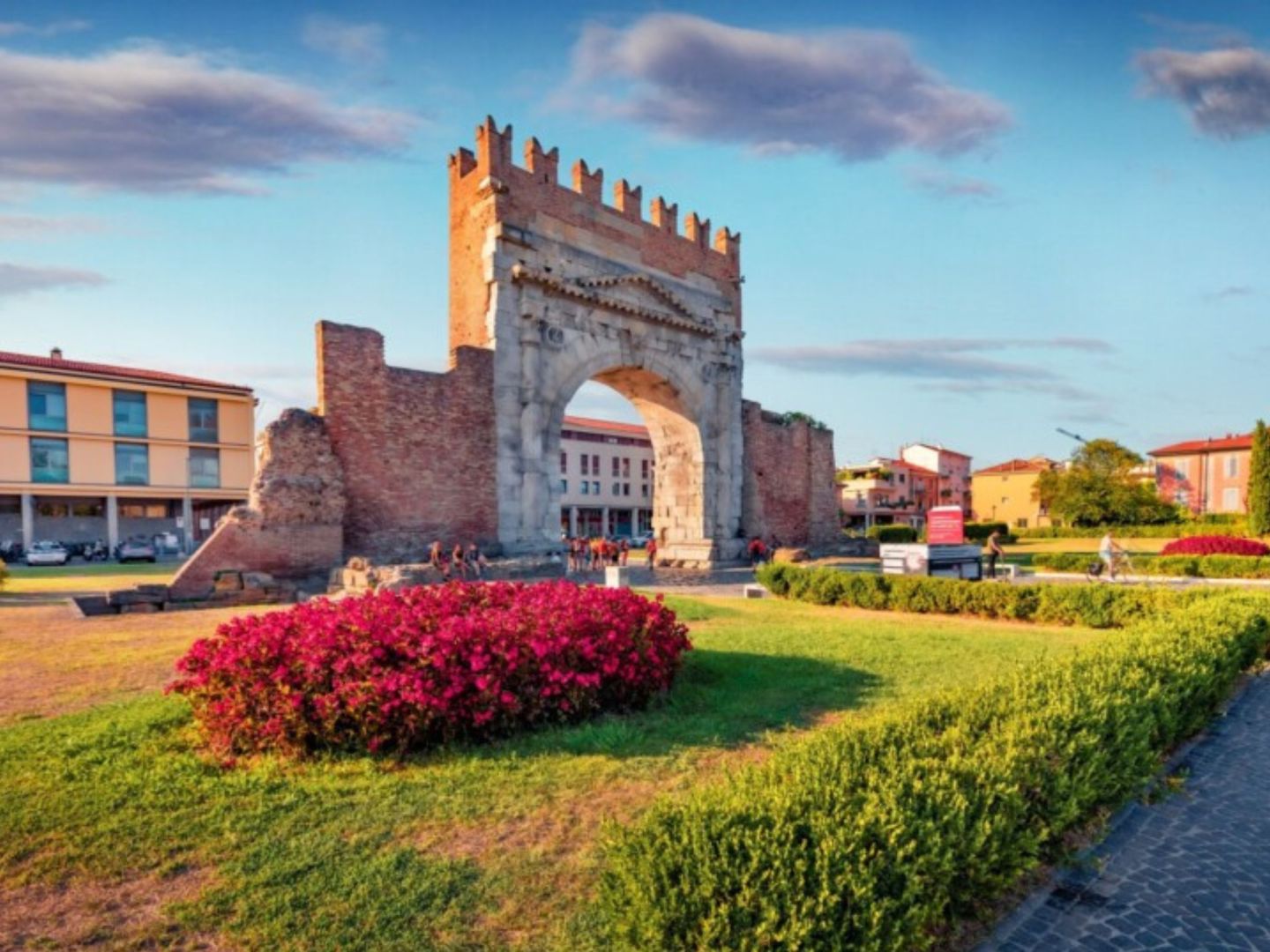
5. Arch of Augustus- Carrying the flair of Rimini’s ancient origins, the Arch of Augustus is the oldest surviving Roman arch, built in 27 BC. Standing at the mouth of Via Flaminia, the monumental gate was for many years surrounded by car parking, which dimmed its beauty. Around 1995, a redevelopment project gave it back space and appeal by limiting traffic and increasing greenery. Today, the Arch is crossed in full safety by tens of bikers and pedestrians daily.
Credits: Riccardo Gallini (left), Turismo Emilia Romagna (right)
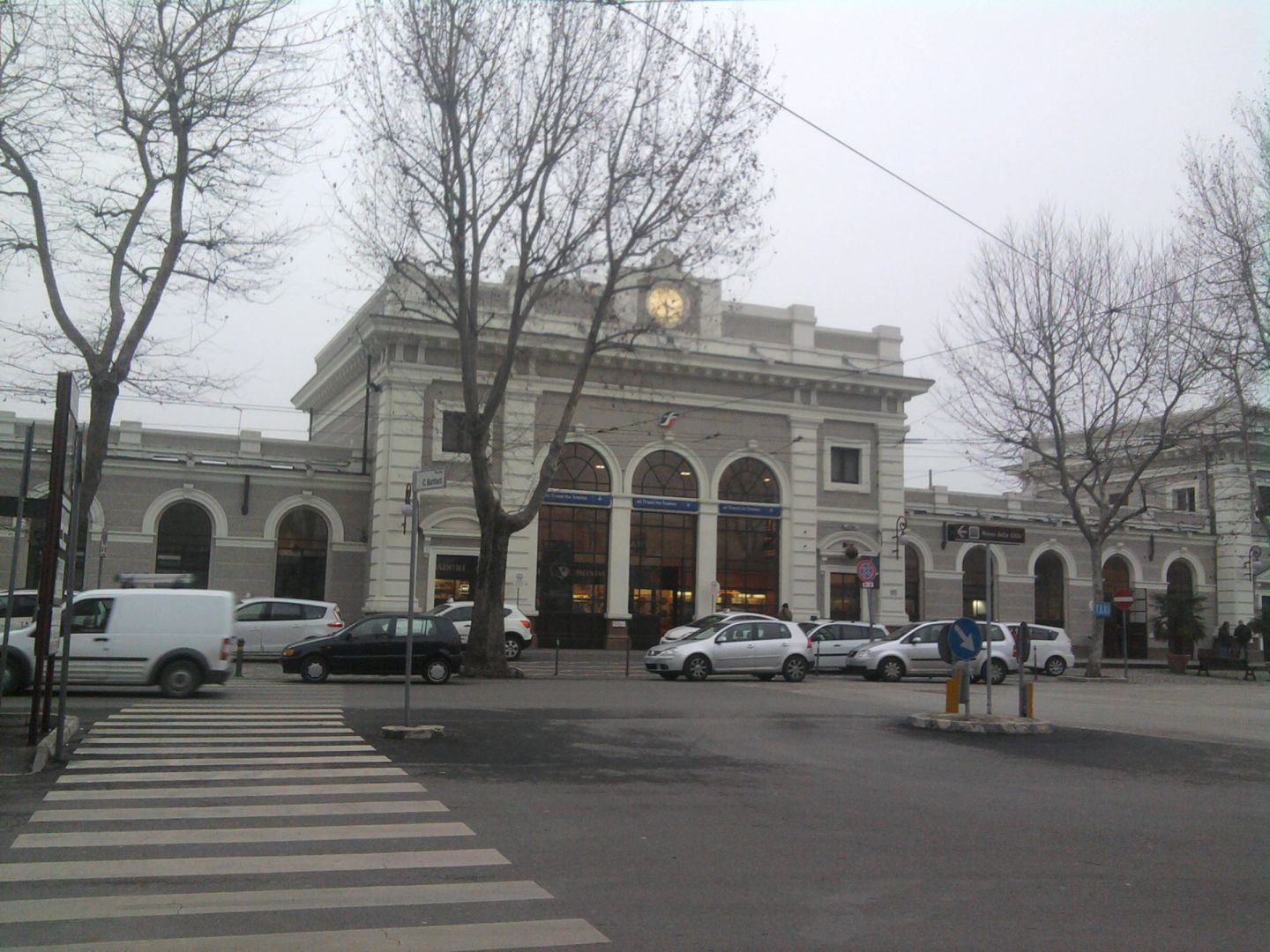
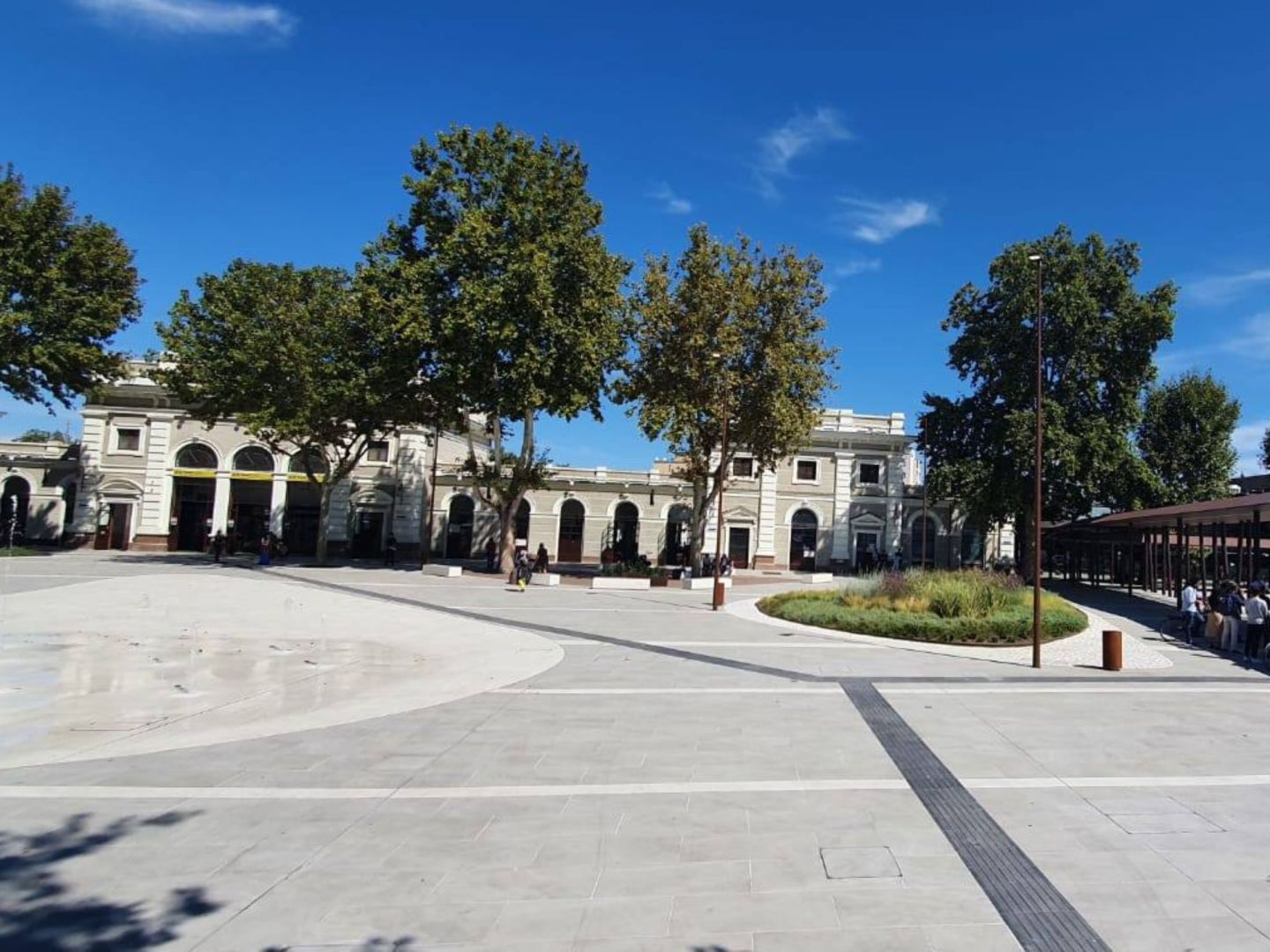
4. Train station - Previously in a state of decay, the mountain-side area of Rimini's train station has been redefined to feature a large pedestrian area. It acts as the chain ring for the recently improved pedestrian and cycle paths along the station’s avenue. The station’s square itself has also become an intermodal hub, easing the switch between national and regional trains, the Metromare, buses, taxis, bicycles and cars. The Bike Park was installed there to particularly promote active mobility by providing bike rentals, a bike repair service, and space for storing luggage.
Credits: Michele1978rimini (left), Comune di Rimini (right)
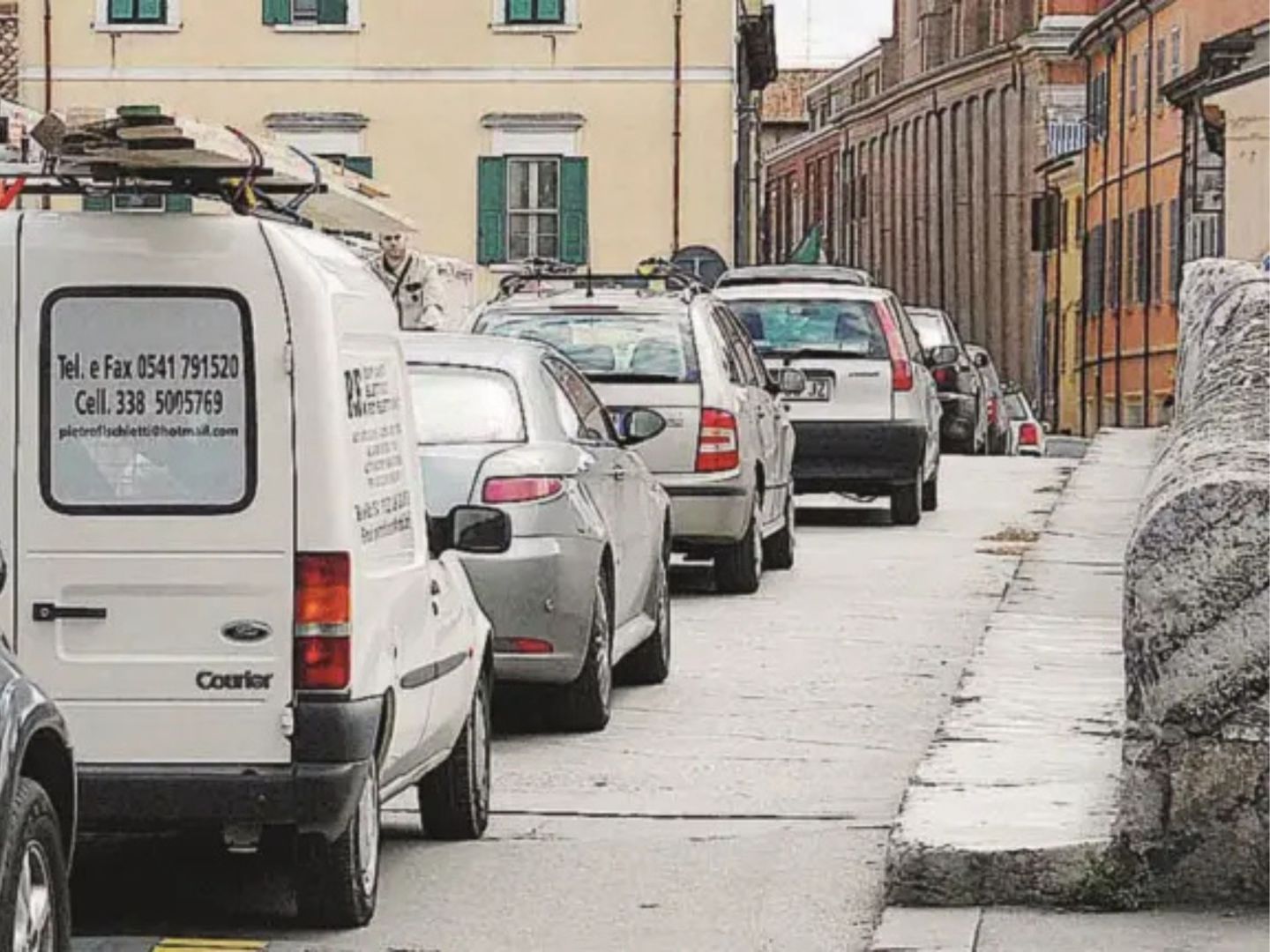
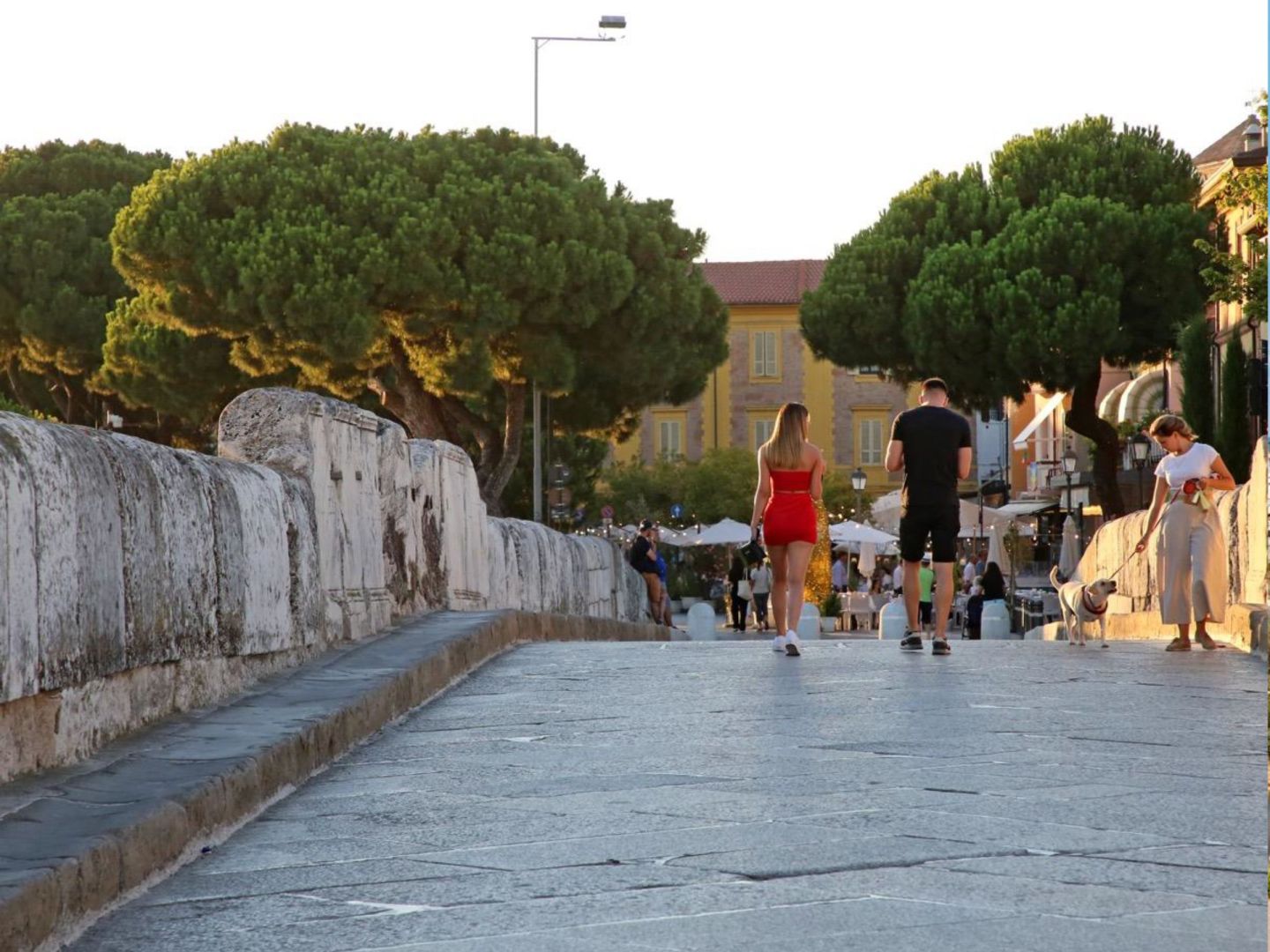
3. Tiberius Bridge - In 2019, a few years before its 2000th anniversary, the municipality implemented a new traffic regulation in the historic centre. Initially as a trial and now consolidated, the ancient Tiberius Bridge was closed to cars, making room for pedestrians and bicycles. In the meantime the underlying basin was fully redeveloped: the foundations, embankments, and the soil of the basin were renovated, and its perimeter was made accessible by a new wooden path. The so-born Piazza sull’Acqua currently hosts sport sessions, music events, and everyday recreation. It also connects existing cycle paths to the seaside, the Green Ring, and the Marecchia River trail.
Credits: Corriere di Romagna (left), Comune di Rimini (right)
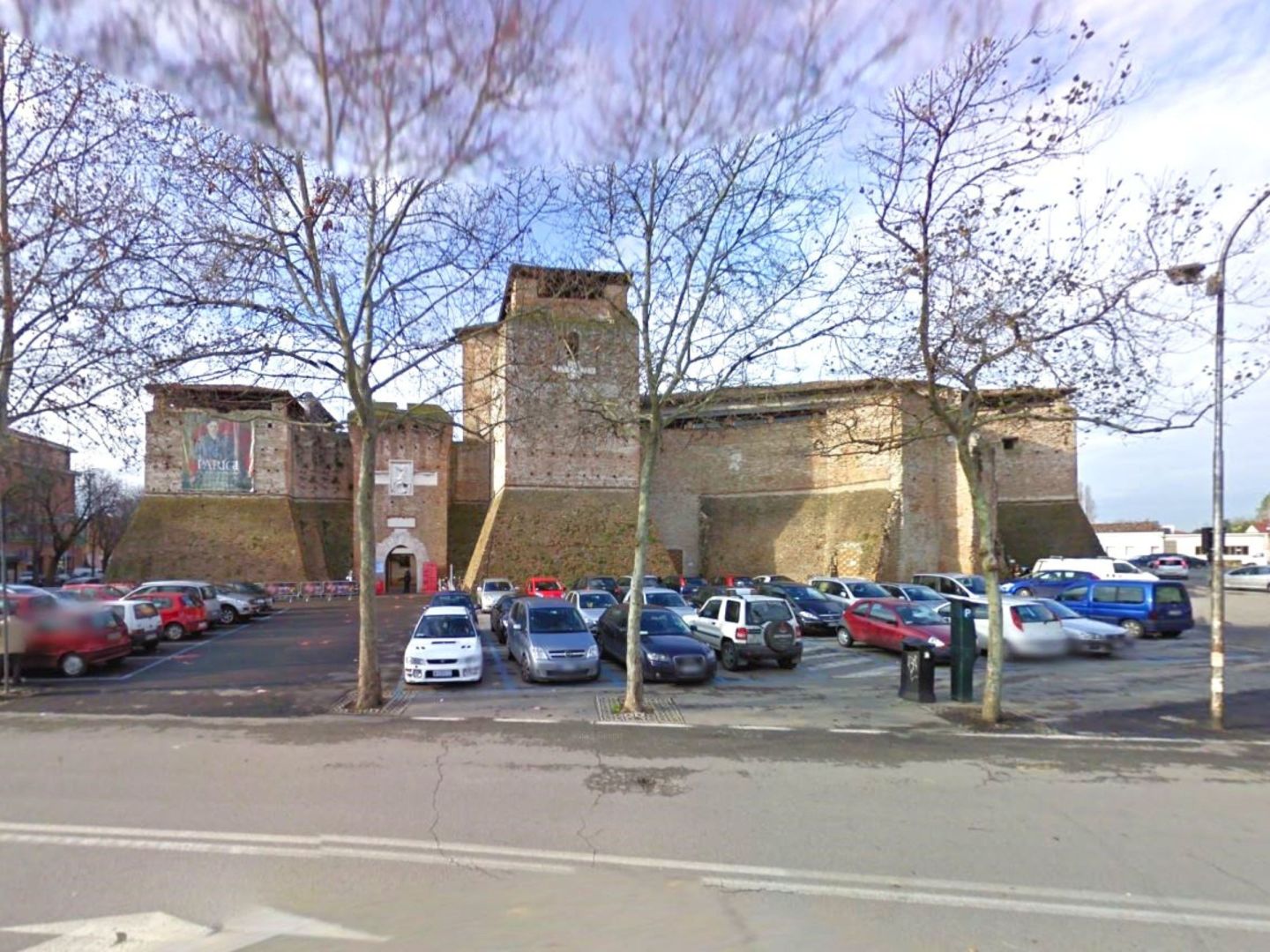
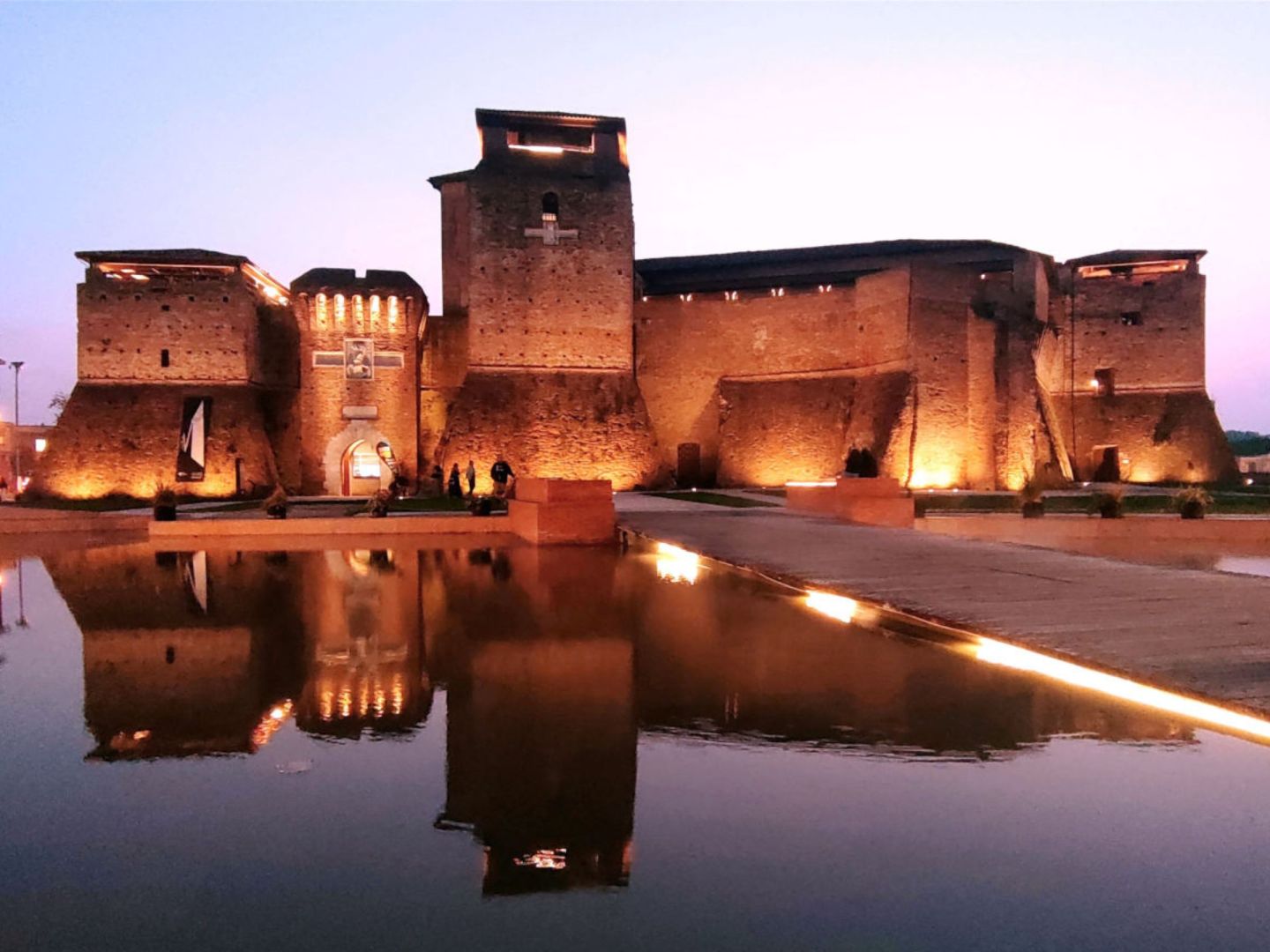
2. Piazza Malatesta and Sismondo Castle - The pedestrianized Piazza Malatesta in Rimini comes across as a plot twist for those who knew this car parking hotspot in previous times. Its historical importance is testified by the towering presence of the Sismondo Castle, a 15th-century fortress which was also lately renovated from head to toe. Nearby, the Galli Theatre was completed in 2018, after 75 years of closure. Together, they compose the Square of Dreams – an open area enriched by several Fellini-inspired installations and sets, creatively linking the Castle to the new Fellini Museum.
Credits: Google Street (left), Spunti di viaggio (right)
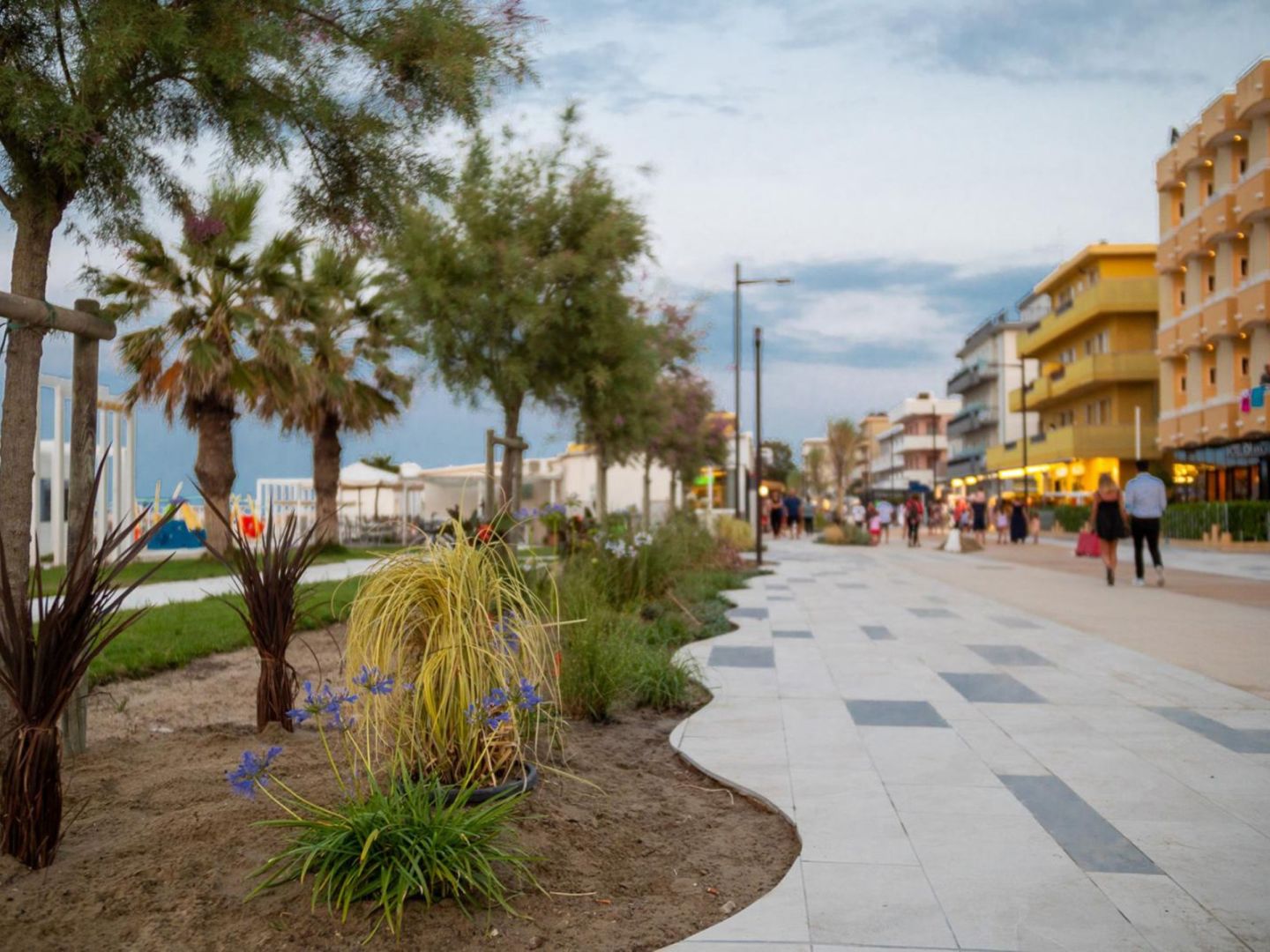
1. Parco del Mare - The flagship transformation of Rimini’s upgrade is undoubtedly its new sea wellness park, or Parco del Mare. The southern stretch runs from Fellini Park to the neighbouring Municipality of Riccione, while the northern stretch includes 6 km of promenade north of Rimini's port It entirely reshaped the city’s waterfront to create more open-air living spaces, enhancing residents’ wellness and quality of life. The park comprises Piazzale Kennedy, one of the major hydraulic works in recent years in Italy. In fact, the plain hides a cutting-edge water filtering system that protects the city’s marine ecosystems, while allowing passersby to indulge in the stunning elevated viewpoint.
Credits: Renditicontorimini (left), Chiamami città (right)
Credits: Google Street (left), Mijic Architects (right)
To conclude, Rimini’s shift toward sustainable mobility is more than the sum of these public works: it is a strategic choice and a cultural shift, towards a city designed for people. As paths, squares, and landmarks work together, they bring to life a city that had the determination to reclaim its own rhythm, merging sustainable urban mobility with its cultural and historical identity.
Want to experience Rimini’s transformation firsthand? At Velo-city 2026, technical visits with local experts will unveil the city’s most inspiring projects, while free bike rentals invite you to explore its evolving landscape at your own pace. See you there!